Ingredients
Compost is the controlled aerobic decomposition of organic matter into a stable, humus-rich material teeming with beneficial microorganisms. But not all compost is equal — the difference between premium compost and municipal yard waste comes down to feedstock selection, temperature management, and microbial diversity.
Premium organic compost is produced through thermophilic (heat-loving) decomposition, where microbial metabolism drives pile temperatures to 131-170°F (55-77°C) for sustained periods. This heat serves a dual purpose: it eliminates weed seeds, plant pathogens, and harmful bacteria while selecting for thermophilic microorganisms that produce enzymes capable of breaking down cellulose, lignin, and chitin into plant-available nutrients.
The process requires careful management of four variables: carbon-to-nitrogen ratio (C:N), moisture content (40-60% by weight), oxygen availability (achieved through turning or forced aeration), and particle size (smaller particles decompose faster but compact more easily). A C:N ratio of 25-30:1 produces the fastest, most complete decomposition — too much carbon (sawdust, wood chips) and the pile stalls; too much nitrogen (manure, food waste) and it generates ammonia and foul odors.
Composting proceeds through four distinct microbial succession phases. The mesophilic phase (ambient to 104°F) lasts 1-3 days as common soil bacteria begin consuming easily digestible sugars and proteins. The thermophilic phase (104-170°F) sustains for 2-8 weeks as heat-tolerant Bacillus, Thermus, and actinomycete species dominate, breaking down complex cellulose and lignin. The cooling phase returns temperatures to mesophilic range as easily consumed material is exhausted. Finally, the curing phase (2-6 months) allows slow-acting fungi and soil animals to complete humification — converting remaining organic matter into stable humic substances.
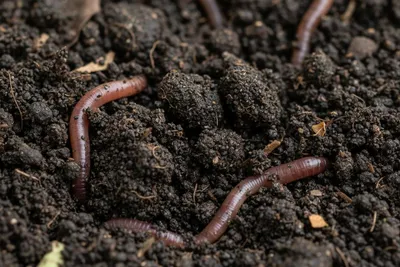
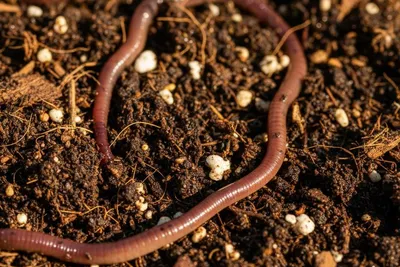
Each phase cultivates different microbial communities. The finished product contains billions of beneficial organisms per gram — bacteria, fungi, actinomycetes, protozoa, and beneficial nematodes — that become the biological foundation of living soil.
Municipal yard waste compost is typically produced from leaves, grass clippings, and chipped branches collected curbside. While useful as a soil conditioner, it often suffers from inconsistent C:N ratios, incomplete thermophilic processing (weed seeds survive), and contamination from herbicide-treated lawns (aminopyralid persistence can damage sensitive crops for 2+ years).
Premium organic compost uses controlled feedstocks — aged manures, crop residues, food processing waste — with known C:N ratios and zero herbicide contamination risk. Daley Organics’ premium compost meets OMRI standards and undergoes complete thermophilic processing verified by temperature monitoring.
Premium compost serves as both a base medium and a biological inoculant in all Daley Organics soil blends. In Daley’s Mix ($140/yd), Premium Soil Mix ($130/yd), and Merlin Blend ($55/yd), compost contributes the microbial diversity that activates the 25-ingredient fertilizer blend — converting organic nitrogen from blood meal, feather meal, and fish meal into plant-available ammonium and nitrate forms.
Daley Organics also sells Premium Organic Compost as a standalone product for soil rehabilitation, lawn top-dressing, and garden bed establishment. At our Grants Pass soil yard on Monument Drive, we maintain active compost operations to ensure fresh, biologically active material in every batch.
For new garden beds, incorporate 3-4 inches of premium compost into the top 8-12 inches of native soil. For established beds, top-dress with 1-2 inches annually in early spring. For lawn renovation, apply 1/4 to 1/2 inch of fine-screened compost after core aeration.
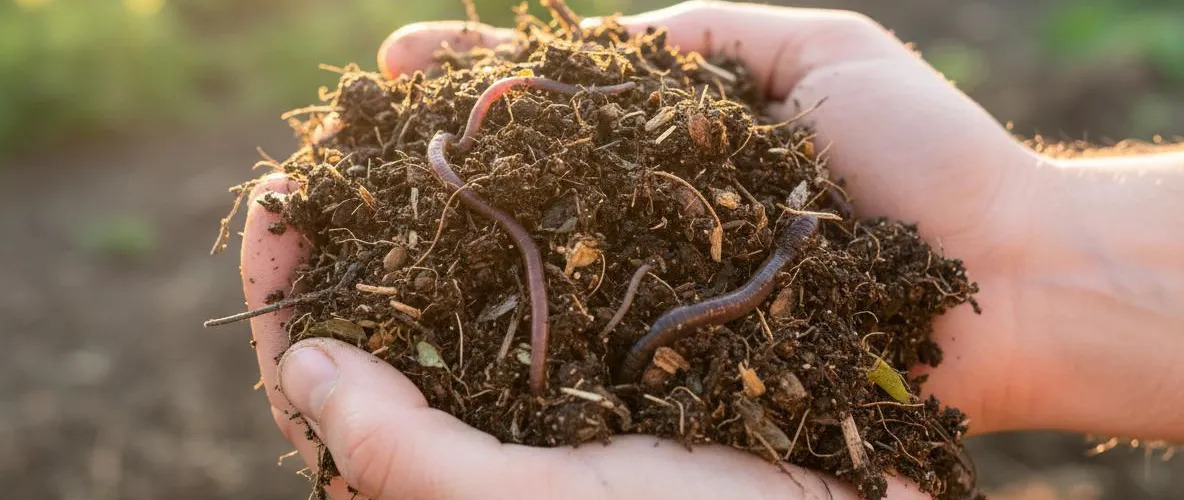
Avoid using immature (hot) compost directly on plants — the ongoing decomposition generates ammonia and heat that can burn roots and seedlings. Finished compost should smell earthy (never sour or ammonia-like), crumble easily in your hand, and show no recognizable feedstock materials.
Common Questions
Compost must sustain temperatures of 131°F (55°C) or higher for at least 3 consecutive days during the thermophilic phase to reliably kill weed seeds, plant pathogens, and harmful bacteria. Premium compost typically reaches 140-170°F during this phase.
A C:N ratio of 25-30:1 produces the fastest, most complete decomposition. Too much carbon (above 40:1) causes the pile to stall. Too much nitrogen (below 20:1) generates ammonia and foul odors. Mixing brown materials (leaves, straw) with green materials (manure, food waste) achieves this balance.
Premium organic compost uses controlled feedstocks with known C:N ratios, undergoes verified thermophilic processing, and has zero herbicide contamination risk. Municipal yard waste compost often has inconsistent quality, incomplete processing (surviving weed seeds), and potential aminopyralid contamination from treated lawns.
For new garden beds, incorporate 3-4 inches of premium compost into the top 8-12 inches of native soil. For established beds, top-dress with 1-2 inches annually in early spring. For lawns, apply 1/4 to 1/2 inch after core aeration.
Yes. Daley Organics sells Premium Organic Compost as a standalone product at our soil yard on Monument Drive in Grants Pass, Oregon. It's also a core base medium ingredient in all three soil blends: Daley's Mix, Premium Soil Mix, and Merlin Blend.
Want the full science behind every ingredient?
Our ingredient library covers all 26 amendments with full descriptions and product cross-references.